The Ship Found Perfectly Upright on the Sea Floor
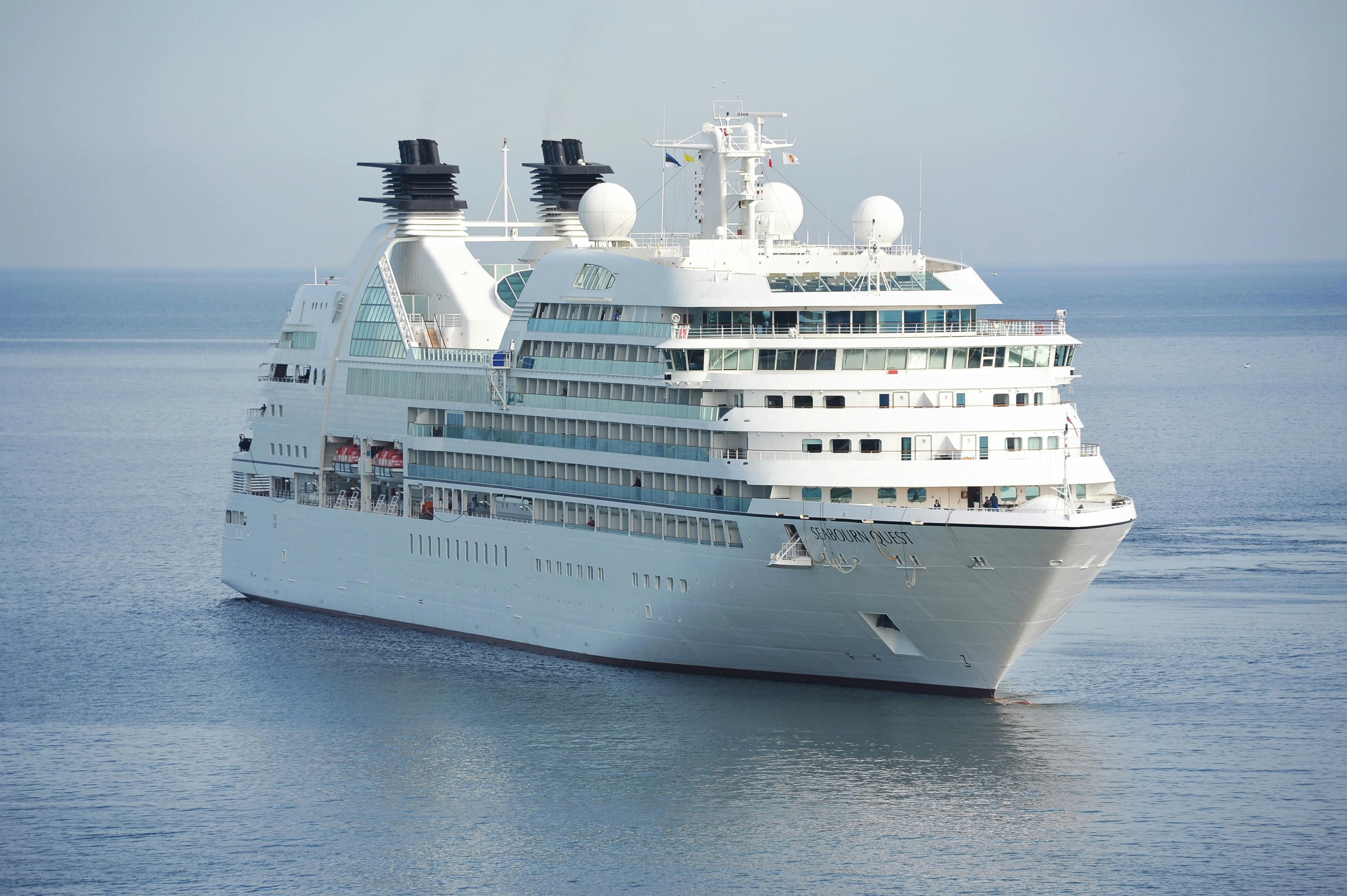
In 2019, sonar cameras hit the bottom of Lake Huron and found the ship SS Huron City sitting completely upright in the dark. It looked like it had just parked there on purpose. Every mast was still reaching toward the surface, and the wood was so well kept that researchers could read the name carved on the side.
The short answer to how a wooden ship stays standing at the bottom of the ocean or a deep lake comes down to physics and water temperature. When a ship fills with water evenly, it settles heavy side down. Cold freshwater acts like a giant freezer, stopping rot and keeping the ship frozen in time for over a century.
Why Did the Ship Sink Without Falling Over?
Most ships roll over when they go down. Waves hit them from the side, or cargo shifts to one corner, and down they go on their left or right side. But this wooden boat was different. On a freezing night in November 1896, the vessel hit a heavy storm near Michigan, taking on water straight through the middle of the deck.
Captains back then knew that if water rushed into one side first, the ship was done for. Capt. William Harris tried to keep the nose pointed straight into the wind. Water poured in equally on the left and right sides. The heavy iron engine in the back acted like a giant lead weight, pulling the bottom straight down while air stayed trapped in the upper cabin for just a few seconds.
That balance kept the hull flat as it dropped through 200 feet of black water. Think about dropping a heavy plastic toy straight down into a full bathtub. If the bottom is heavier than the top, it will not flip. It lands flat on the tub floor every single time. That is the exact same force that kept this ship standing tall on the sand.
The Great Lakes Keep Secrets Better Than Oceans
Salt water in the big oceans is full of small sea worms called shipworms. They eat wood fast. If a wooden vessel sinks in the Atlantic, those tiny creatures eat the planks until the whole frame falls apart into dust within fifty years. Ocean storms also have strong bottom currents that tear old wrecks to pieces.
The Great Lakes do not have those wood-eating worms. The water down at two hundred feet stays near 39 degrees Fahrenheit all year round. It is dark, ice-cold, and fresh. There is very little oxygen at the bottom, which means bacteria cannot break down the oak planks. The wood stays as hard as it was the day the trees were cut down in the forest.
When divers sent cameras down to look at this ship, they saw details that blew them away. The glass in the cabin windows was still in one piece. The ship bell was hanging from its wooden frame, ready to ring. Even the thick ropes used to tie the boat to the dock were sitting coiled on the deck, covered in just a thin layer of mud. It looks like a human-interest story frozen under water.
How Do Search Teams Find These Ghost Ships Today?
Finding a ship upright on the lake bed takes months of slow, boring work. Searchers do not just dive into the water and look around. The water is too dark and deep for eyes to see more than ten feet ahead. Instead, they use long side-scan sonar devices pulled behind a slow motorboat.
Here is how the search steps work from start to finish:
- They draw a grid map of the lake based on old logs and oral history from old sailors who saw the storm.
- The boat travels back and forth along straight lines for twelve hours a day, pulling a sonar fish under the waves.
- Sound waves bounce off the flat mud and send back a smooth picture to a screen on the boat.
- When the sound waves hit a hard wooden box standing up, a dark shadow shows up on the computer screen.
- The team drops a small robot with bright lights and a camera to get the first real look at the target.
In this case, historian Bernie Hellstrom had been scanning that exact grid for over five years. He spent hundreds of weekends steering his boat in straight lines across open water. On a quiet afternoon in July, his screen flashed a shape that had a long mast shadow stretching across the bottom. He knew right away he had found something special.
What Was Left Behind Inside the Rooms?
When the robot camera glided through the open door of the main cabin, it felt like stepping back into the late 1800s. The crew had left in a huge hurry as the water rose around their boots. You can read about another strange historic find in The letter that arrived fifty years late to a small town home, but seeing real items stuck underwater is just as wild.
Inside the mess hall, ceramic coffee mugs were still sitting on the wooden table. They had not even tipped over when the ship hit the mud at the bottom. A pair of leather work boots sat right next to a bunk bed, preserved by the cold water so well that the stitches were still tight. The crew had kicked them off to swim for the small wooden lifeboat hanging off the back.
All seven men on board actually made it off that night. They rowed through the freezing rain for six hours until they hit the dark shoreline near Port Huron. They told local reporters that the ship went down fast, head first, and they assumed it smashed into pieces when it hit the ground deep below. They lived the rest of their lives never knowing their old home was sitting perfectly whole in the dark.
Why Leave the Ship at the Bottom of the Lake?
People often ask why we do not pull these old boats up to put them in museums. It sounds like a great idea, but pulling a century-old wooden boat out of cold water actually destroys it fast. The moment fresh air hits that old wood, the water inside the tree cells starts to dry out. The planks warp, crack, and turn to soft dust in weeks.
Taking a full ship out of deep water also costs millions of dollars. You need massive cranes, giant foam bags, and tanks of chemical wax to soak the wood for ten years so it does not shrink. It is much safer, cheaper, and more respectful to leave the boat right where it landed. You can read more about deep water discoveries on our main page about unbelievable real life historical events.
Today, underwater parks protect these sites. State laws stop private divers from taking dishes, ropes, or pieces of wood off the decks. The ship stays right where it settled in 1896, standing tall in the cold black water like a quiet monument to the people who built it by hand.
What Can We Learn From These Frozen Moments?
It is easy to think of history as just words in an old school book. But seeing a real boat sitting upright on the lake floor makes the past feel very close. Someone chopped those trees, carved those cabin doors, and poured coffee into those cups on a cold November evening. The world above kept changing, cars replaced horses, cities grew big, but down at the bottom, that single night never ended.
Next time you look out over a large body of water, remember that the bottom is not just sand and rocks. Down in the quiet dark, whole worlds are standing perfectly still, waiting for a beam of light to find them again. What other forgotten moments do you think are sitting right below the waves near your hometown?


Comments
Post a Comment